


Carmen Ocampo Velázquez (She/They) is a Toronto-based multidisciplinary artist, curator, and psychologist originally from Colombia. Her experience centres on healing, identity, and social change through collaborative engaged art. Drawing on a clinical psychology background spanning over 30 years, she catalyzes creative processes that foster individual and communitarian resilience and empowerment. Carmen holds a Master’s in Environmental Studies and is the founder of Matiz Project, a transdisciplinary collective harnessing the transformative power of art to deconstruct social narratives and reclaim collective voices. Currently, she serves as an Art & Wellbeing Facilitator and Board Member at Lakeshore Arts (LSA).
Treasures of Ours
Oluseye
Social handle: @olu.seye
Ethnicity: Nigerian
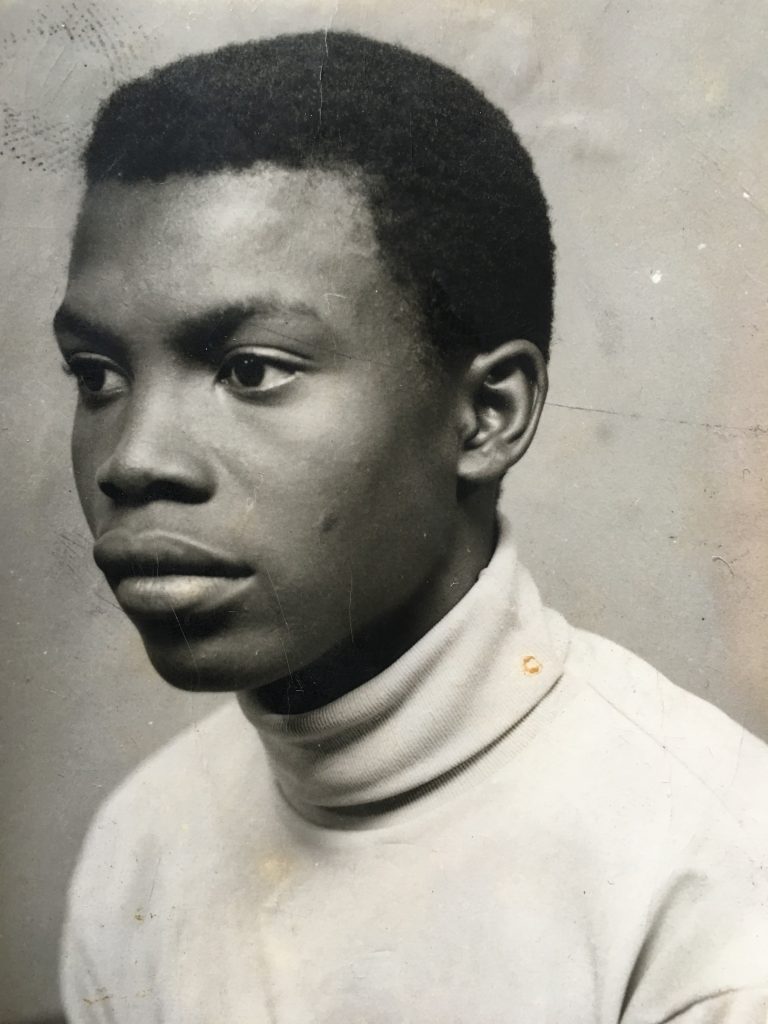
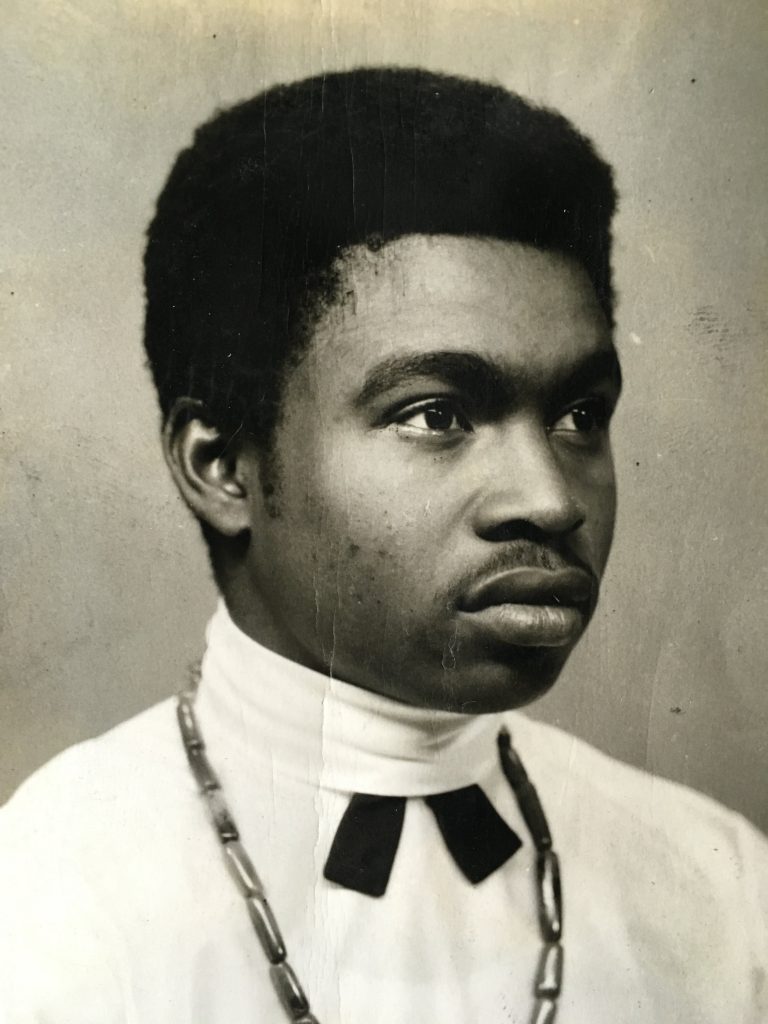
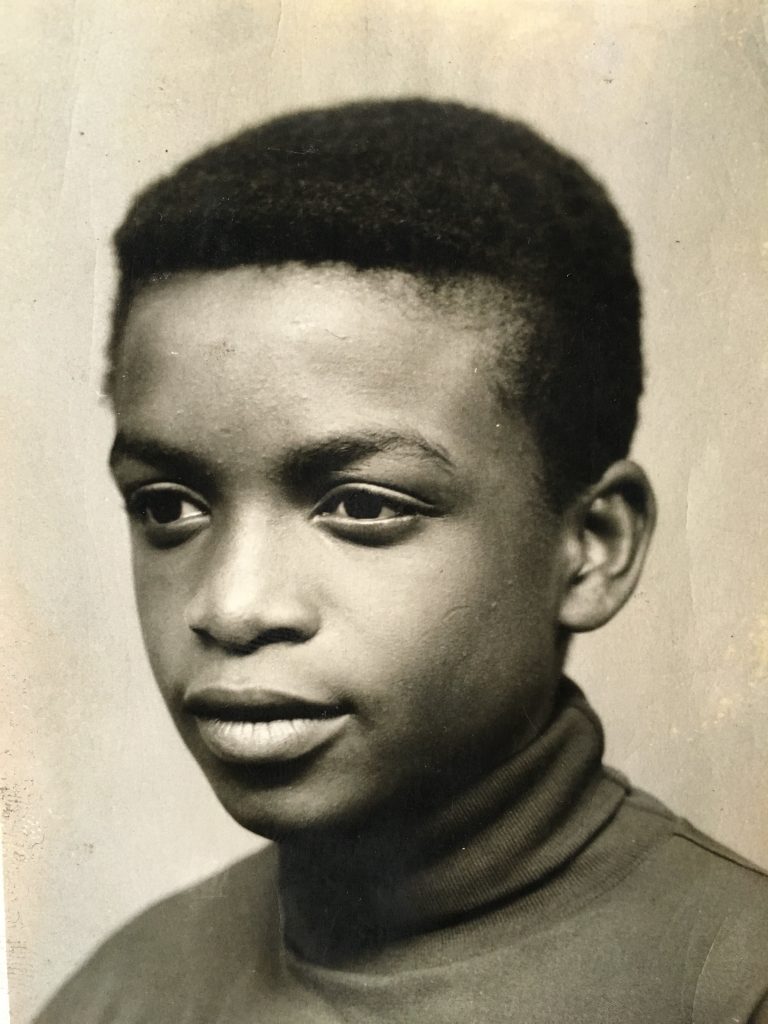
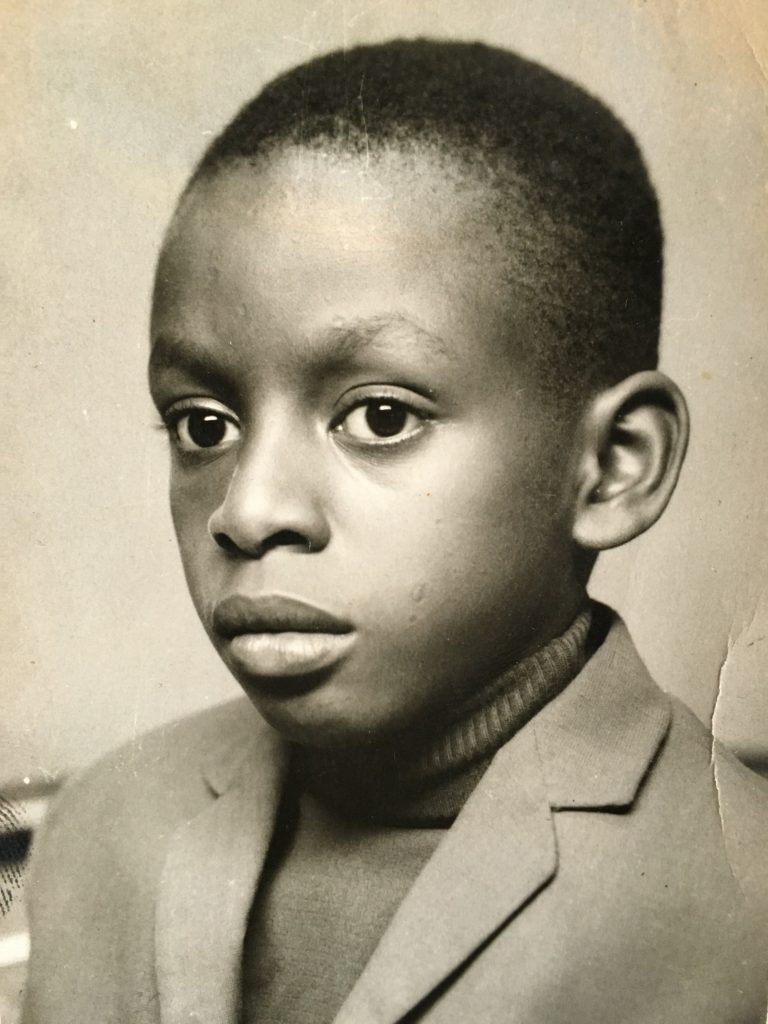
Treasure: Family: Dad and his brothers
The description of the photos: Dad and his brothers, Adepele, Lagos, Nigeria, circa 1969 -1971
These portraits of my Dad and his brothers are amongst my most treasured items. I uncovered them 10 years ago amongst my deceased Uncle Dapo’s belongings. Unfortunately, this particular Uncle isn’t pictured here: He was studying in Russia at the time and my grandma commissioned these photographs to send to him. Uncle Dapo was the eldest of the Ogunlesi brothers and by far my favorite Uncle. I fondly remember him coming to visit me at mum’s home and our walks to get candy on Allen Avenue. The years I lived with my mum, in a tiny bungalow on mainland Lagos, are amongst my happiest memories and he is a part of that.
These photographs inspired some of my early charcoal drawings and I can trace my interest in Black male representation and the spiritual significance of heads to these photographs. In Yoruba spirituality, Ori which literally translates to head, is a metaphysical concept that determines one’s destiny and intuition. It is an idea that I have explored in conjunction with the aesthetics of ancient Yoruba sculptures and contemporary images of Black men.
The portrait of my dad depicts – with his traditional beads, turtle neck, and concealed bowtie – depict an effortless blend of Yoruba cultural aesthetics and modern style which has informed my outlook. In my practice and personal life, there is a fusion of the ancestral with the contemporary; the physical and the spiritual; the past and the future; what is new and what is old. I reject binary distinctions and choose to imbue the everyday with the mythic as a way of reinforcing African rituals and philosophies as living, complex, and valid traditions of Black consciousness. And of course, there’s the undeniable suave of these men. Handsome, timeless, and elegant: a reminder that Black people invented style.